

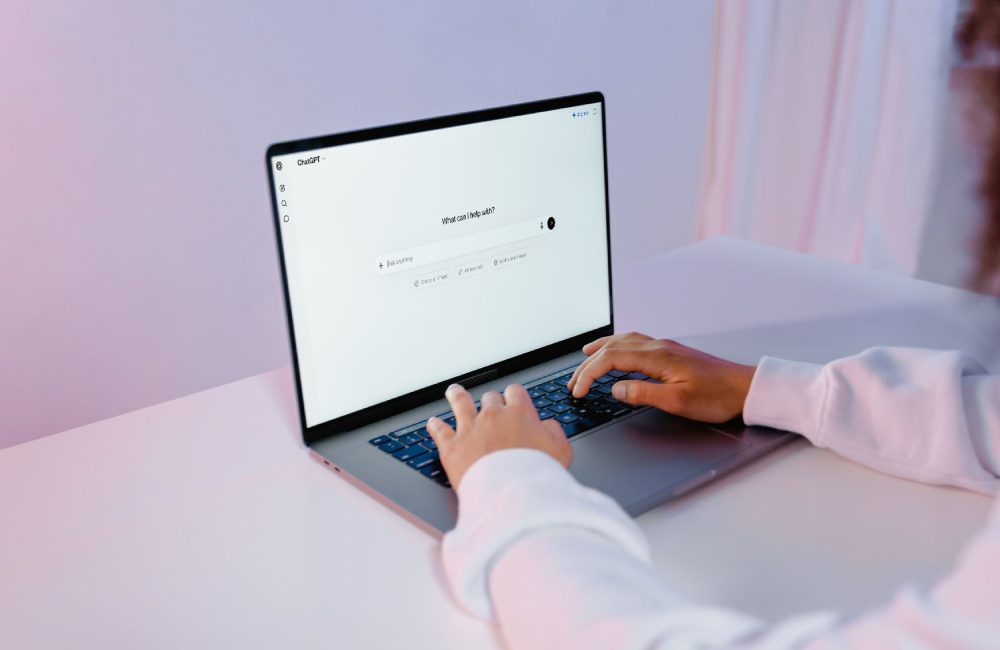
AI has changed the job-hunting market from all directions.
Students are using it to write their resumes and cover letters. Meanwhile, employers are using it to screen resumes and cover letters. And somewhere in the middle is your application, drowning among the sea of others that sound exactly the same.
But there are still some tried-and-tested ways to stand out in this new normal. And, below, Coach Cody is letting you in on our favourites.
Stop trying to sound ‘professional’
‘A highly motivated and results-driven individual with excellent communication skills and a passion for teamwork’ does not sound like the fun kind of person I want to be spending my lunch breaks with.
Not to mention the fact that recruiters have read that sentence so many times by now they could probably recite it in their sleep.
It makes sense that people turn to AI to help them write content they consider high stakes, like a job application. There’s no denying AI is fantastic at producing polished, generic content. You can’t go wrong, necessarily. But you can go boring.
Instead, swap vague claims for specific proof.
Rather than saying you’re a great leader, mention the time you coordinated a student event with 150 attendees. Instead of claiming you’re organised, explain how you balanced full-time study with two casual jobs and still delivered a distinction average.
I know very well that ‘a marketing student with two years of treasury experience and a soft spot for Labradors’ and I would have brilliant conversations at lunchtime over a bánh mì.
Use AI as your assistant
Let’s clear something up: using AI isn’t cheating. Using AI and submitting the first draft it spits out, however? Lazy and sloppy, my friend.
Instead, think of AI like the friend who helps you brainstorm before an assignment. It’s helpful, for sure. But if you were to just take all your friends’ ideas and submit them as your own, you would be deemed ‘The Copycat’ in front of all the cosmos forevermore.
Some better ways to use AI to strengthen your job application include:
- Brainstorming examples from your experience
- Improving awkward wording
- Checking grammar and structure
- Identifying the key skills various position descriptions are searching for
- Practising interview questions
Then comes the part AI can’t do. Adding your personality, your achievements, your voice and your weirdly impressive part-time job story.
AKA, all the stuff that employers genuinely care about.
Beat the bots to impress the humans
Many larger employers use Applicant Tracking Systems (ATS) to scan resumes before a recruiter even sees them. That doesn’t mean you need to hack the mainframe and hire yourself. But you do need to make your application easy to understand.
A few simple wins include:
- Use clear headings like Education, Experience, Skills, About, etc.
- Mirror important keywords from the job description (without stuffing them everywhere).
- Keep formatting clean – avoid overly fancy designs if you’re applying through an online portal.
- Save your resume in the format the employer requests.
Because the reality is, AI is becoming your first hurdle. So, if the software can’t read your application, the hiring manager will never get the chance to love it.
Capitalise on what AI can’t fake
Depending on the task, AI can ‘hallucinate’ 22–94% of its responses.
Which means, even though you’ve asked AI to write a cover letter for an animal nursery, for example, if it doesn’t feel it has adequate information, it may decide the best course of action is to write as if you were applying for the piggery. Needless to say, not ideal.
That’s why all the research for the company you’re applying to should be done by you.
Look at a project they’ve recently launched. Connect your experience to something they’re actually doing. Write a cover letter that couldn’t be copied and pasted to 20 other employers.
That effort instantly separates you from applicants who treat the job hunt like a numbers game. Because employers are looking for people who want this opportunity, not just any opportunity.
Put a face to the name
AI can’t make genuine human connections. And that could be your biggest advantage.
If you’ve applied for a role that you’re excited about, follow up. Connect with the recruiter or hiring manager on LinkedIn with a short, polite message. Send a thoughtful email expressing your interest to the HR team. Show up to the office to introduce yourself if you can pull it off in an ‘Oh, I was just in the neighbourhood’ way instead of an ‘I’m so desperate for a job, I’ve taken to stalking’ way.
By putting a real person behind an application, you’re getting the employers’ buy-in. Which, even a little bit of can go a long way.
Will it guarantee you an interview? No. But it shows confidence, initiative and enthusiasm – three of the top qualities employers look for.
No Comments